The study, which analyzes 611 cases from six countries in the region, documents the human rights violations faced by women, girls, and adolescents along “the path of criminalization,” which often begins within health care systems and extends to justice systems that fail to provide even minimal safeguards, thereby deepening inequalities and amplifying social stigma.
Latin America and the Caribbean, July 14, 2026 /PRNewswire/ — The criminalization of abortion in Latin America and the Caribbean is leading to human rights violations, with a concerning impact on health care systems that are often the gateway to criminal prosecution against women, girls, and adolescents, notes the regional initiative Salud Sin Miedos in presenting the report *Por una Salud Sin Miedos*.
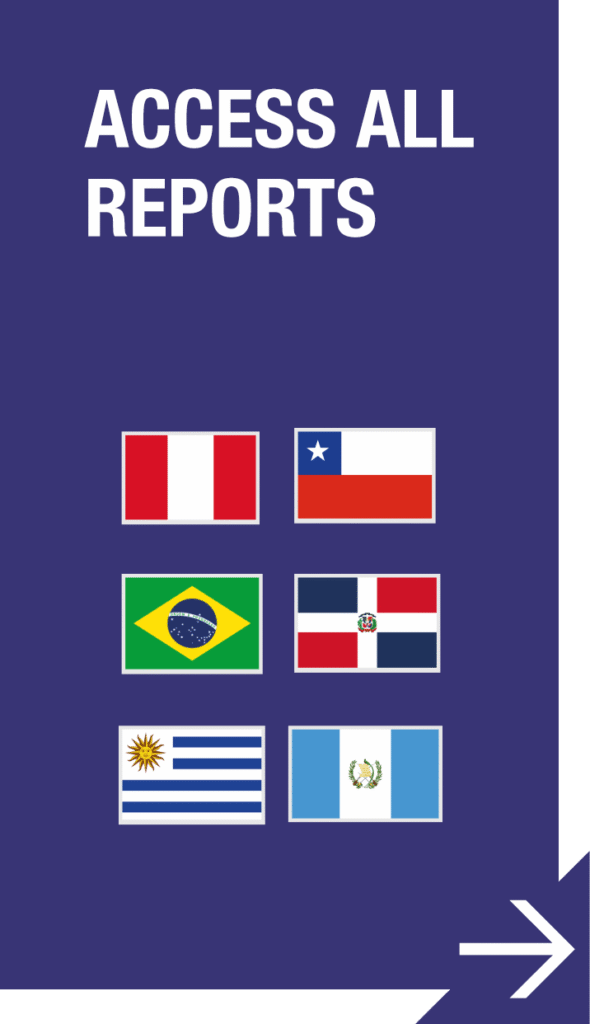
The report analyzes 611 cases of abortion criminalization that occurred between 2012 and 2023 in Brazil, Chile, Guatemala, Peru, the Dominican Republic, and Uruguay, out of a total of 10,848 women, girls, and adolescents criminalized in those countries. Using a comparative and standardized methodology—unprecedented in Latin America and the Caribbean—the study introduces the concept of the “pathway of abortion criminalization” to show how women, girls, and adolescents move from seeking medical care to facing criminal investigations and prosecutions.
“This report demonstrates that the criminalization of abortion is a state practice that puts lives at risk, destroys trust in health care systems, and punishes women who do not conform to traditional stereotypes about motherhood and reproduction. Clearly, this is not an abstract debate about criminal law; it promotes human rights violations and negatively affects the lives of women, girls, and adolescents,” said Ximena Casas Isaza, a lawyer specializing in sexual and reproductive rights and coordinator of the Salud Sin Miedos initiative.
The main findings were:
1. Hospitals as a gateway to criminalization
In more than half of the cases where the source of the complaint could be identified, it came from healthcare personnel when the women sought medical care at hospitals.
2. Judicial Proceedings Without Safeguards
The report documents alarming violations of due process in the 611 cases analyzed. Many women, adolescents, and girls did not have timely access to legal representation, were interrogated without a defense attorney present, and faced proceedings based on evidence obtained through violations of medical confidentiality, which also violates the right against self-incrimination.
“The prosecution of women for abortion does not occur in a vacuum: it is the result of processes marked by violations of basic rights, in which the possibility of receiving an arbitrary conviction is a constant threat,” said Selene Soto Rodríguez, senior legal advisor at Ríos.
3. A Discriminatory Policy That Exacerbates Inequalities
The report concludes that the criminalization of abortion functions as a discriminatory policy because it is based on gender stereotypes. In the court records reviewed, women were described as “cold,” “calculating,” or even “murderers,” reinforcing stereotypes linked to traditional roles of motherhood and caregiving.
4. Government Transparency and Lack of Access to Information
The investigation also revealed problems with government transparency and access to public information. Of 314 requests for access to information sent to 154 government entities in the six countries analyzed, the report identified a lack of disaggregated and up-to-date data, inconsistencies between official figures, and omissions regarding the profiles of those criminalized.
The lack of adequate official records makes it difficult to gauge the true impact of criminalization and limits the ability to document human rights violations in these contexts.
An Urgent Call to Shift the Punitive Paradigm: A Possible Path Toward Health Without Fear.
Health Without Fear calls on the governments of Latin America and the Caribbean to abandon the punitive approach to abortion and adopt policies based on public health, scientific evidence, and human rights.
The report proposes a roadmap that includes:· Eliminating or reducing the use of criminal law in matters related to abortion.
· Guaranteeing medical confidentiality and eliminating mandatory reporting requirements for healthcare personnel.
· Ensuring adequate legal defense and due process in cases related to abortion.
· Taking measures to eliminate gender stereotypes in the justice systems
· Preventing and punishing obstetric and institutional violence.
· Adopting policies with a gender and intersectional perspective.
· Strengthening the production of public and disaggregated data on these cases.